
Who Needs Knee Replacement Surgery?
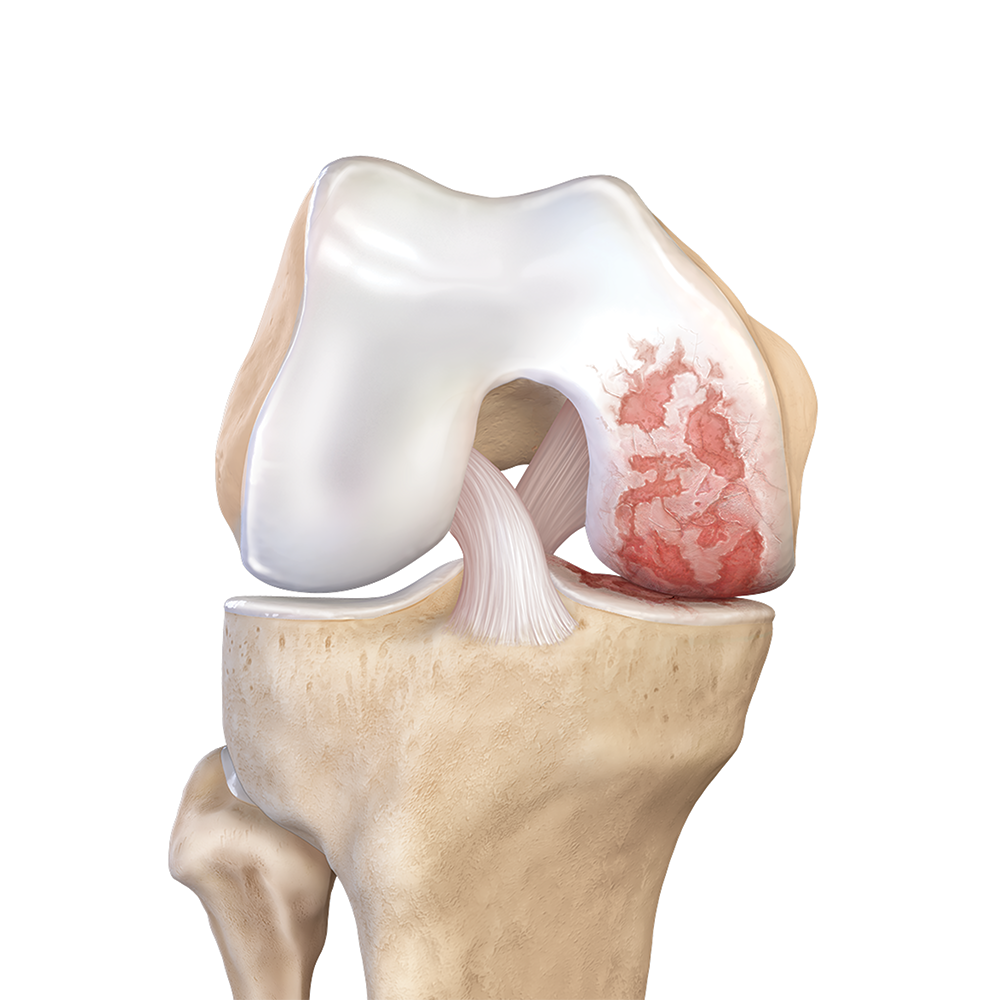
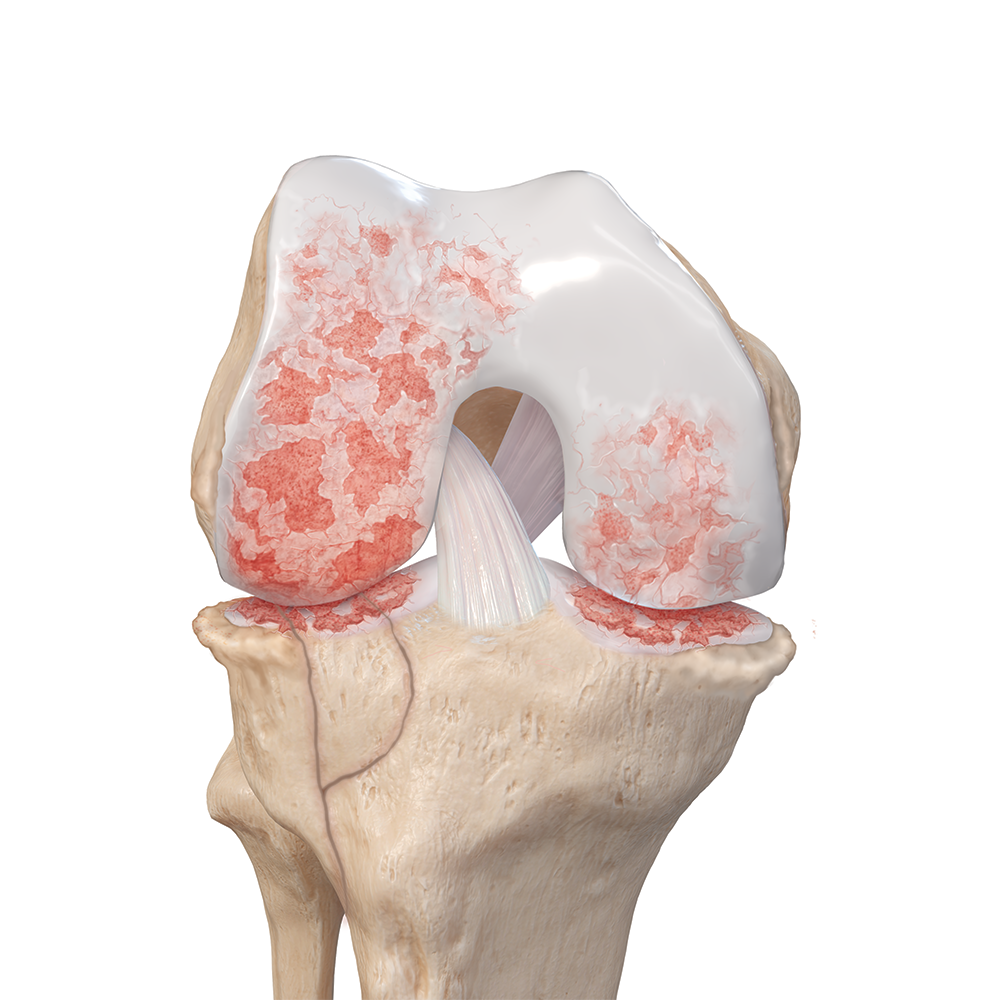
Knee replacement surgery, also known as knee arthroplasty, may be recommended for patients who have ongoing knee pain, stiffness, or difficulty moving that doesn’t improve with nonsurgical treatments. If the damage is limited to one part of the knee, a partial knee replacement might be a good option for relieving pain and improving mobility.1 If more than one part of the knee is damaged, a total knee replacement may be the best treatment.2
Reasons for Knee Replacement Surgery
Although reasons for knee replacement surgery vary, many patients share common experiences:
- Persistent knee pain that gradually limits comfortable movement and may even interfere with sleep2
- Increasing stiffness in the knee joint, making everyday activities, such as walking, climbing stairs, or standing for long periods, more difficult2
- Pain and stiffness often result from joint inflammation, which can be caused by:
- Osteoarthritis
- Rheumatoid arthritis
- Post-traumatic arthritis
- Complications from previous knee surgeries
Knee replacement surgery involves replacing the damaged parts of the knee joint with artificial components made of metal and plastic. It is typically recommended when conservative treatments such as medications or walking aids no longer provide sufficient relief. The goal of the knee replacement surgery is to reduce pain, restore mobility, and improve quality of life.2,3

.png)


